
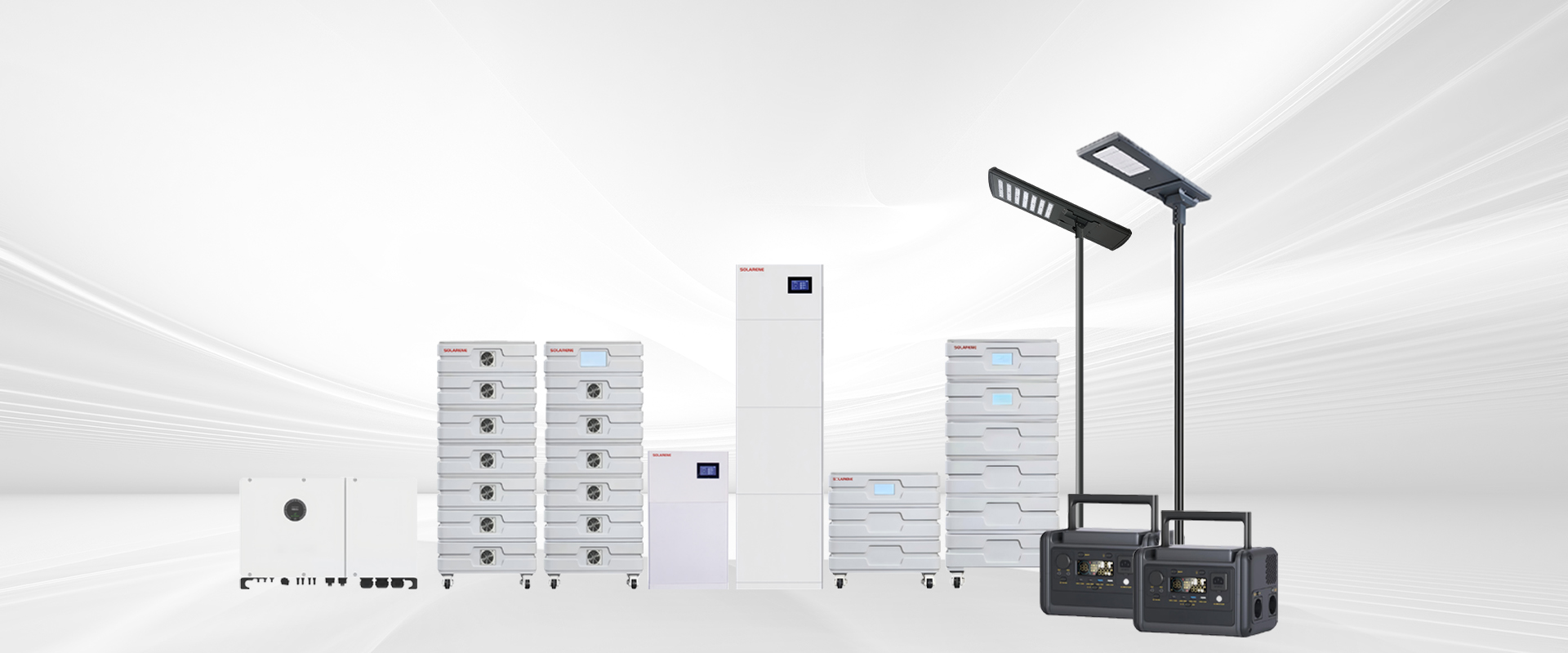
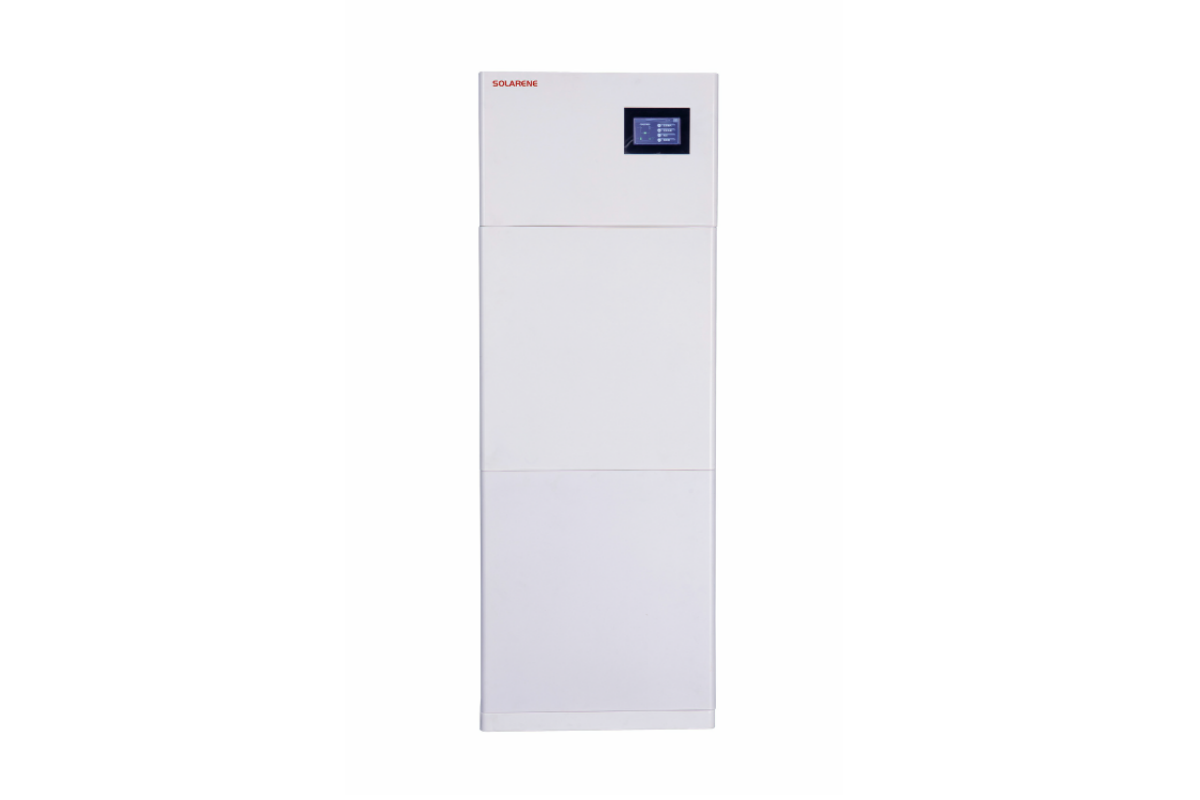
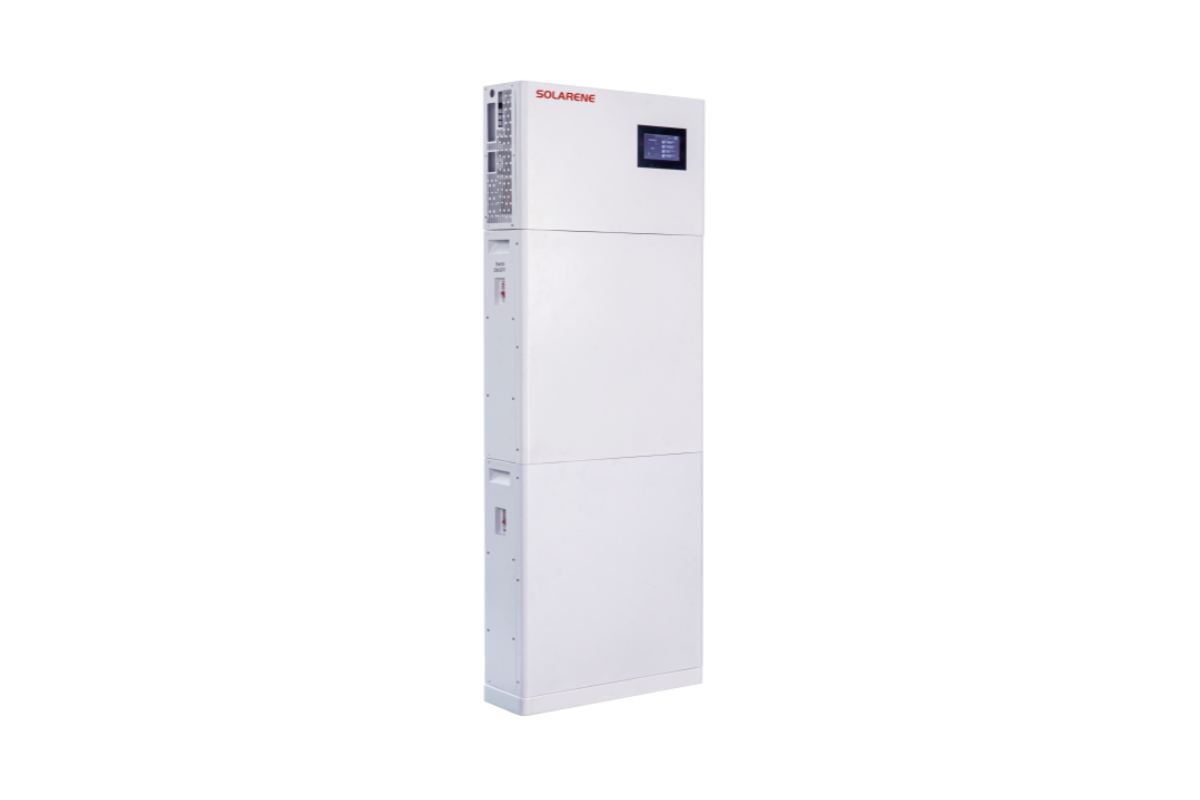
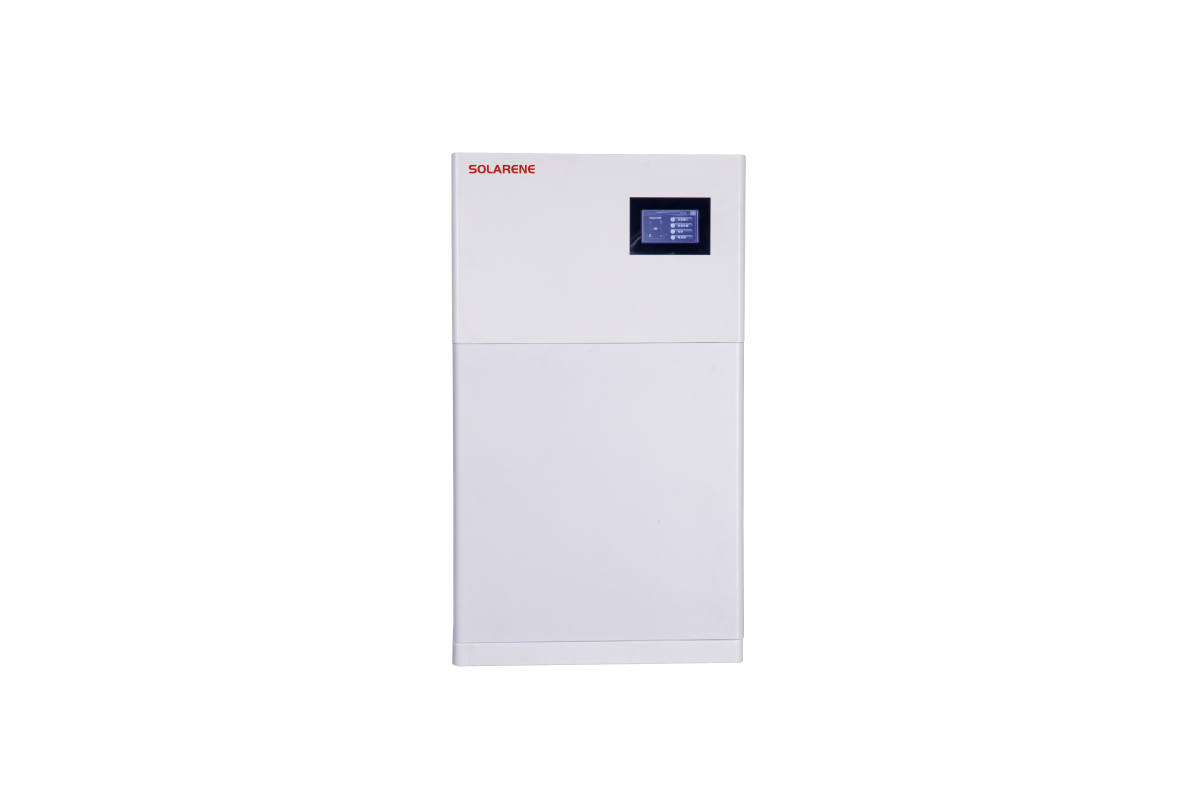
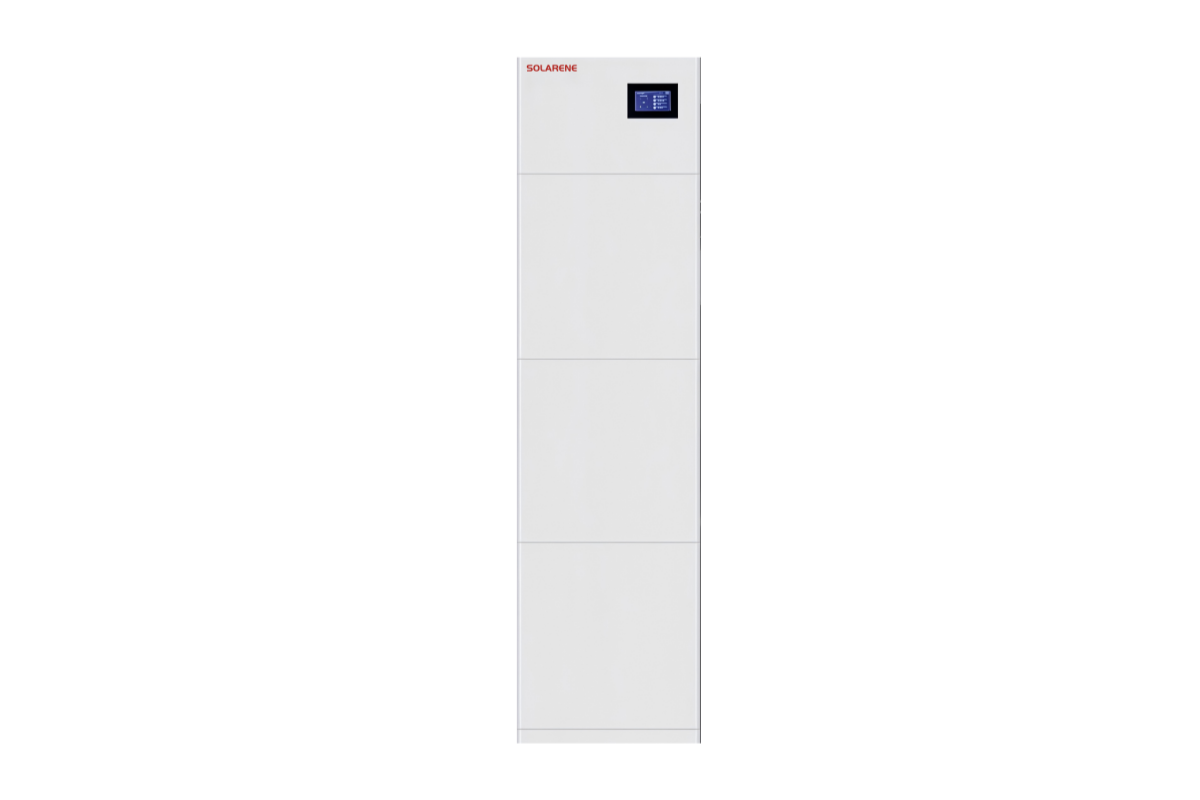
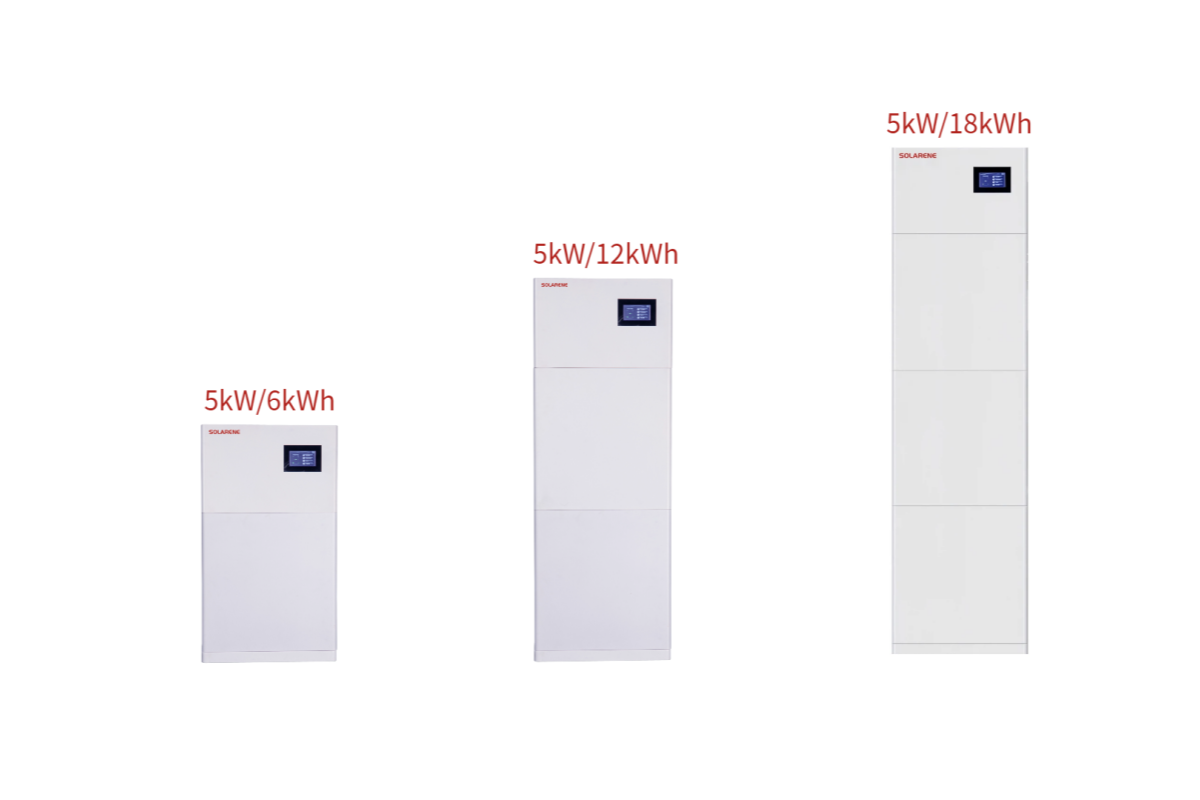
Residential ESS REMC002-UP 5kW/12kWh All In One Solar Energy Storage System Stackable Capacity Expansion
REMC002-UP Main Features:
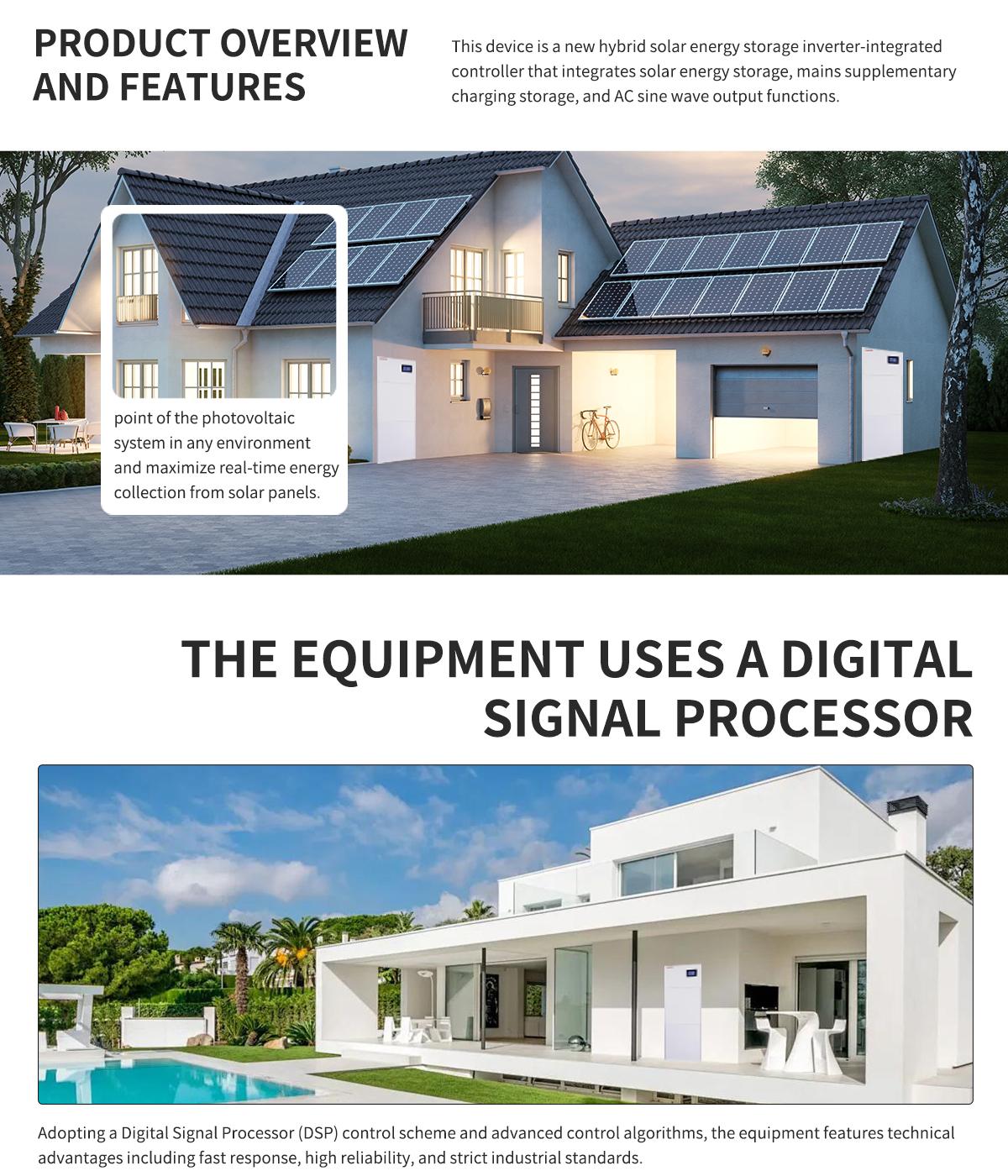
1. Adopts fully digital dual closed-loop control of voltage and current and advanced Sinusoidal Pulse Width Modulation (SPWM) technology to output pure sine wave AC power.
2. Features two operating modes: mains bypass and inverter output, supporting uninterrupted power supply.
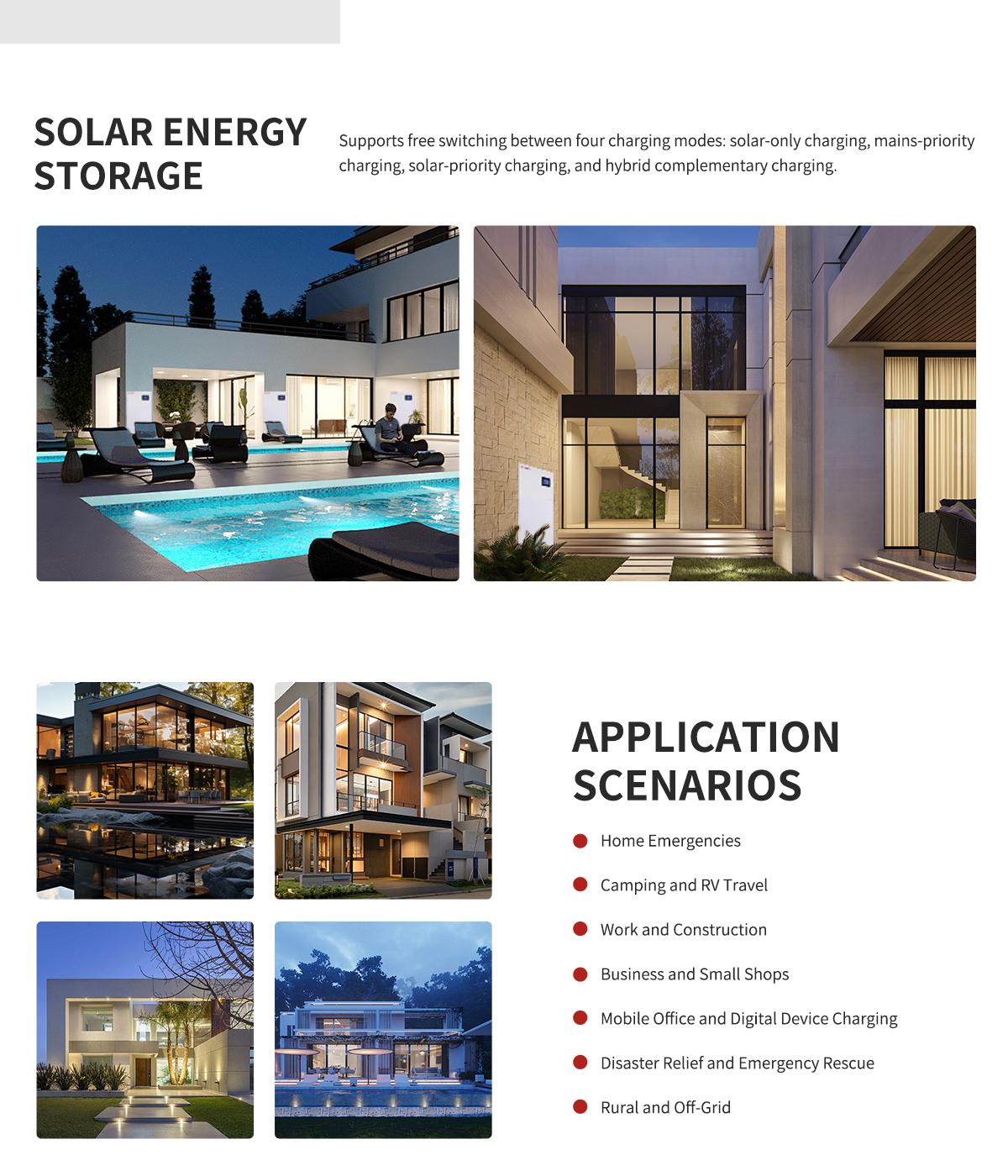
3. Supports free switching between four charging modes: solar-only charging, mains-priority charging, solar-priority charging, and hybrid complementary charging.
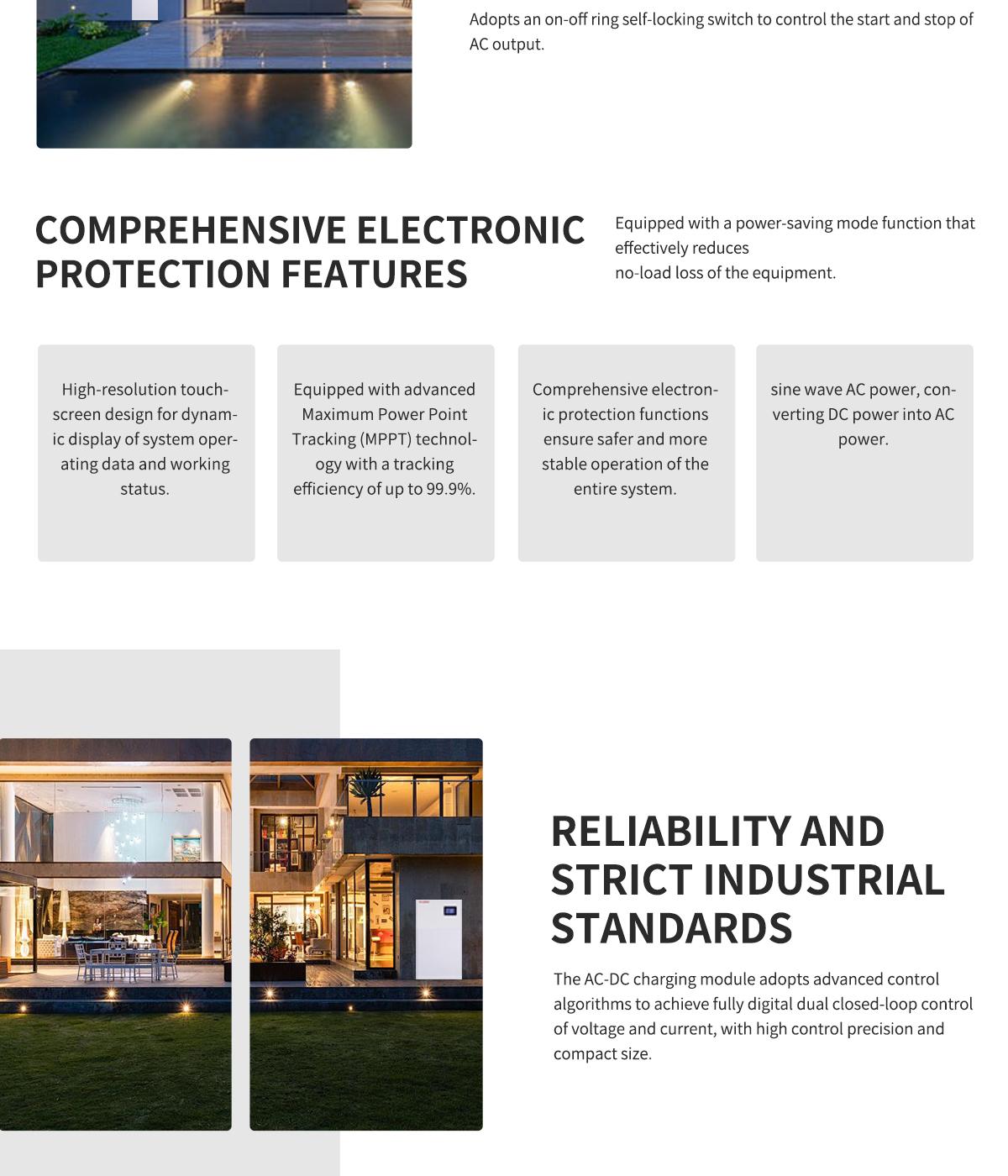
4. Equipped with advanced Maximum Power Point Tracking (MPPT) technology with a tracking efficiency of up to 99.9%.
5. High-resolution touchscreen design for dynamic display of system operating data and working status.
6. Adopts an on-off ring self-locking switch to control the start and stop of AC output.
7. Equipped with a power-saving mode function that effectively reduces no-load loss of the equipment.
Share:
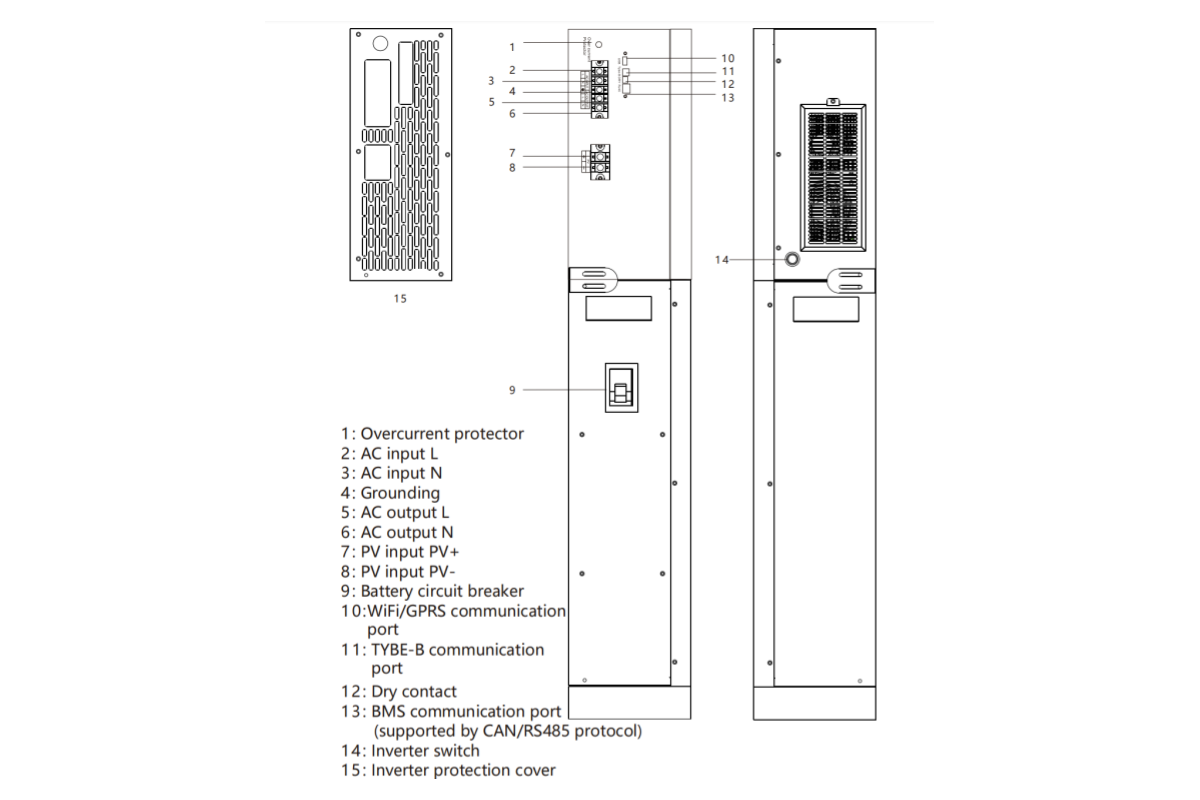
| Model | REMC001-UP, REMC002-UP, REMC003-UP | |
| Battery capacity | 6144 / 12288 / 18432Wh optional | |
| Battery voltage | 51.2V | |
| Utility Mode | Input Voltage | 170~280Vac |
| Frequency | 40~70Hz ,Default | |
| Overload/short circuit protection | The bypass circuit breaker (40 A) | |
| Maximum efficiency | 0.995 | |
| Conversion time(bypass and inverter) | < 10mS | |
| Biggest by pass overload current | 40A | |
| Inverter Mode | Output voltage waveform | Pure sine wave |
| Rated output power (W) | 5000W | |
| Power factor | 1PF | |
| Rated output voltage (Vac) | 208/220/230/240 Vac(Settable) Default 230V | |
| Output frequency range (Hz) | 50.0 / 60.0 Hz (Settable) Default 50 Hz | |
| Maximum efficiency | >94.5% | |
| Overload Capacity | 1min@102%~110% Load 10s@110%~130% Load 3s@130%~150% Load 0.2s@>150% Load | |
| Battery voltage | 51.2V | |
| Compatible battery type | Lead-acid/lithium electricity | |
| Utility Charging | Maximum charging current(can be set) | 80A |
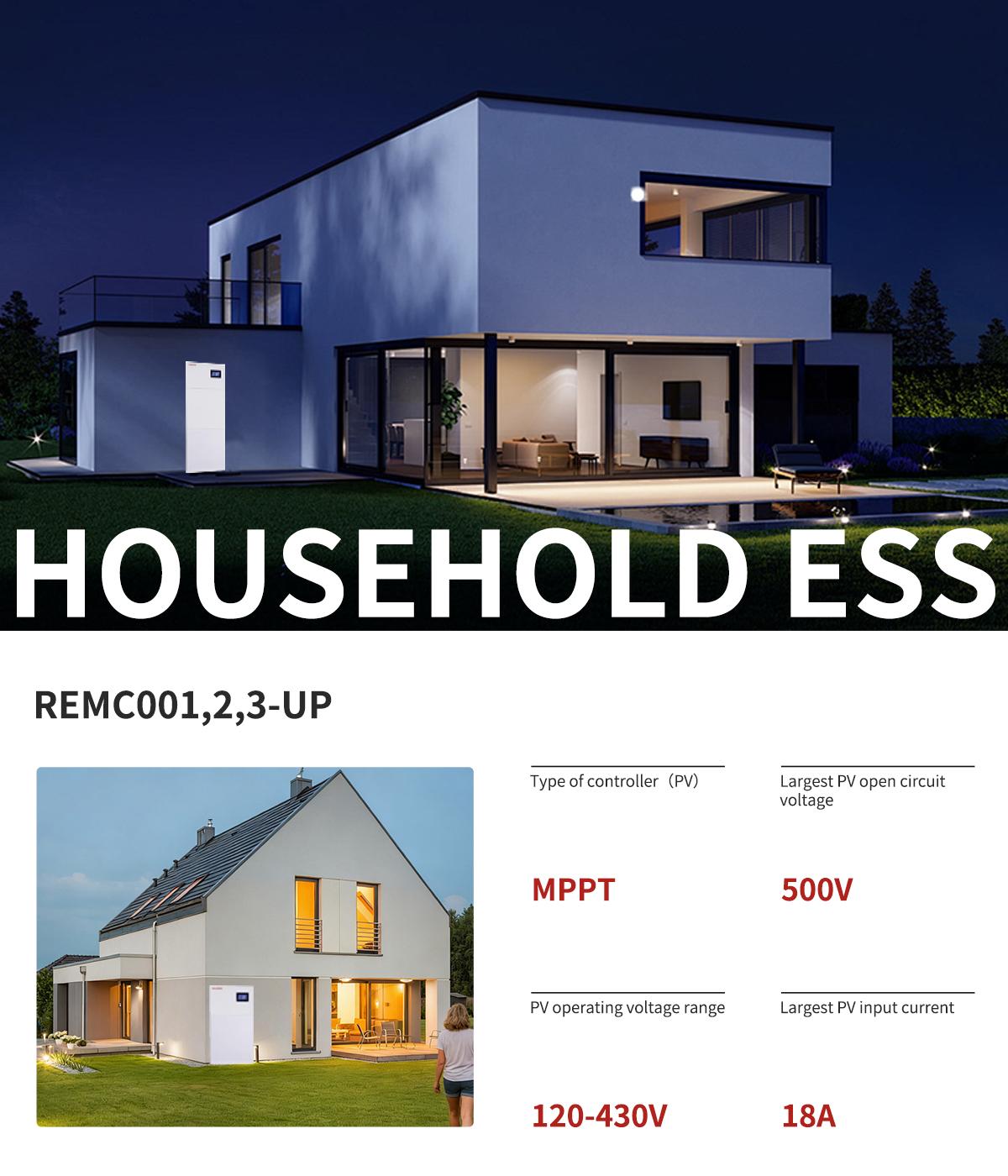
| PV/Battery Charging | Type of controller(PV) | MPPT |
| Largest PV open circuit voltage | 500V | |
| PV operating voltage range | 120-430V | |
| Largest PV input current | 18A | |
| Largest PV power input | 5500W | |
| Solar charging current range(can be set) | 2-80A | |
| Biggest mixed charging current (PV+ AC) | The biggest mixed charging current(can be set) | 80A |
| Specifications | Protection functions | Over-voltage and low-voltage protection, overload protection, short-circuit protection and over-temperature protection of lithium batteries |
| Working temperature range | -10℃-50℃ | |
| Storage temperature range | -15~60℃ | |
| Humidity range | 20%~95% (No condensing) | |
| Noise Level | ≤50db | |
| Heat dissipation | Forced air cooling | |
| Display mode | HD Touch Screen | |
| Monitoring method (optional) | WiFi/ 4G | |
| Product size (L*W*H) mm | Battery: 671*469*132 Inverter: 243*474*132 | |
| Packing size(L*W*H) mm | Battery: 735*575*200 Inverter: 535*355*158 | |
| Net weight(kg) | Battery: 50kg Inverter: 12kg | |
| Gross weight(kg) | Battery: 42.5kg Inverter: 10.6kg | |
Residential Energy Storage System Solution Application Scenarios
During peak electricity demand periods, concentrated usage from commercial, industrial, and residential users often strains the grid, risking overloads. PV energy storage systems reduce reliance on grid power by discharging stored energy, easing the load on transformers and other grid infrastructure to avoid overload tripping. This is particularly beneficial for factories expanding production but facing delays in grid capacity expansion. Additionally, they serve as “flexible regulators” for urban power grids—pilot projects in a megacity showed a 25% improvement in regional grid stability.
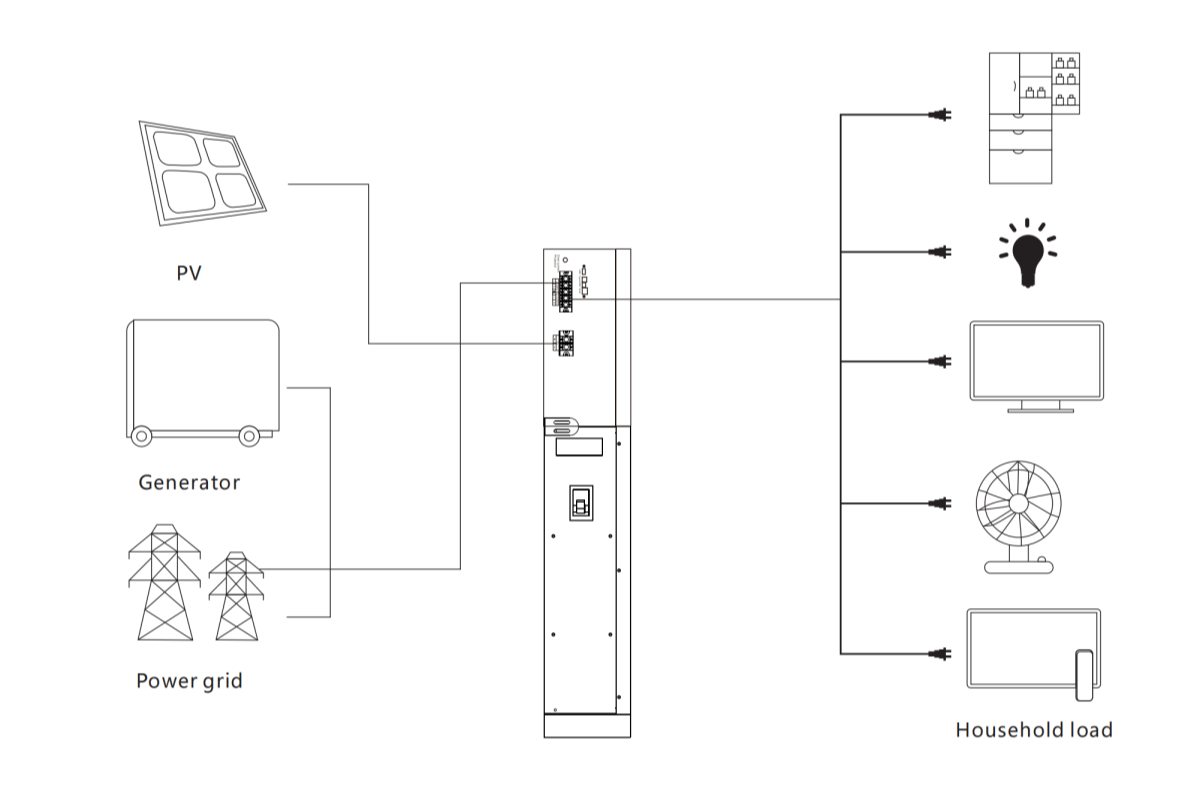
Basic System Introduction:
PV Module: Converts light energy into DC power to charge the battery via the all-in-one machine, or directly inverts it into AC power to supply loads.
Mains or Generator: Connected to the AC input terminal, it can power loads and charge the lithium battery at the same time. If no mains or generator is connected, the system can still operate normally, with loads powered by the battery and PV modules.
Solid State Battery: Ensures normal power supply to system loads when solar energy is insufficient and no mains power is available.
Household Loads: Various household and office loads can be connected, including AC loads such as refrigerators, lights, TVs, fans, and air conditioners.
Inverter-Controller All-in-One Machine: The energy conversion device of the entire system.
The specific system wiring method is determined by the actual application scenario.
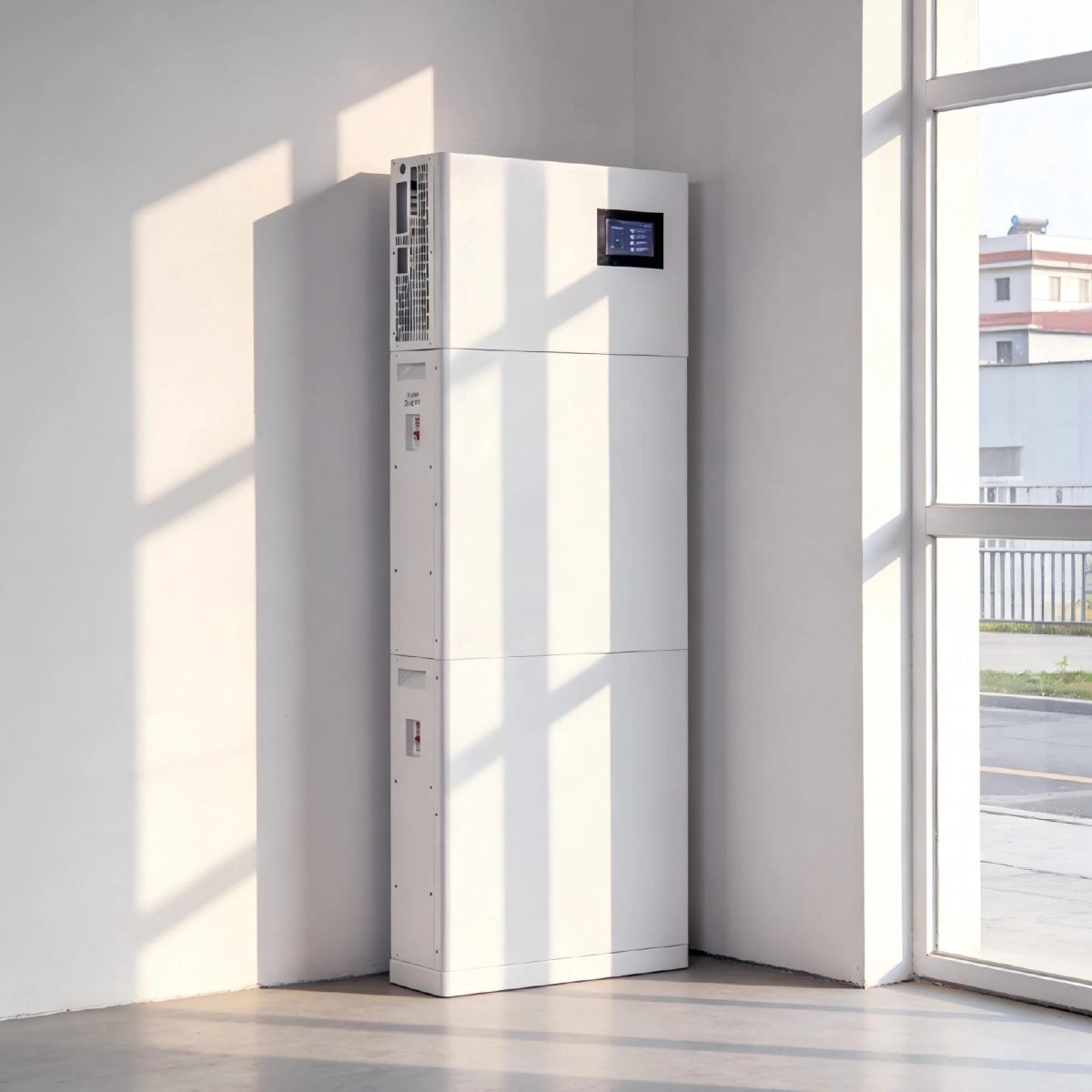
Residential Homes:
Balcony PV Energy Storage + Wall-Mounted Units, a Self-Sufficient Home Energy System. Standalone PV systems have time-dependent power generation limitations—high output during daytime peak sunlight often coincides with low household/enterprise electricity demand, leading to significant energy waste or feed-in at low grid prices. Conversely, PV generation ceases during evening peak usage, forcing reliance on grid power at premium rates. PV energy storage systems store surplus daytime electricity for release during peak demand, boosting PV utilization from 65%-75% to over 90%. Additionally, they leverage time-of-use (TOU) electricity price differences by charging during off-peak hours and discharging during peak periods.


Tags:
- All in one Household ESS
- |
- Residential ESS
- |
- Solar Energy Storage System