US-Iran Detente: Redefining Global Energy Security and the Next Growth Wave for Energy Storage
Date: June 17, 2026
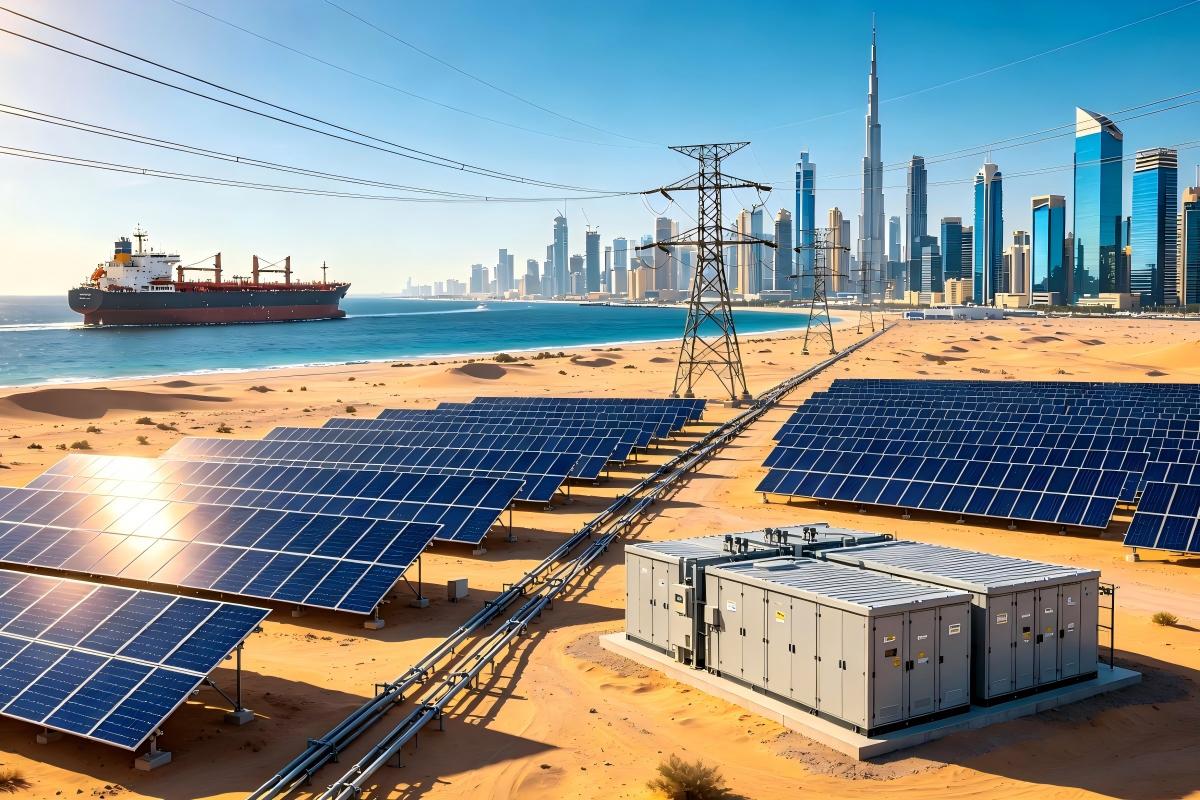
After weeks of escalating military clashes and maritime blockades across the Strait of Hormuz, the long-standing US-Iran geopolitical standoff reached a pivotal turning point on June 15, 2026. Both sides electronically signed the Islamabad Memorandum of Understanding, with an official in-person signing ceremony scheduled for June 19 in Geneva. Core terms include a full bilateral ceasefire, the gradual removal of US maritime sanctions on Hormuz shipping lanes, and Iran’s commitment to clearing underwater mines within 60 days to restore unimpeded crude and bulk cargo transit. While market observers focus primarily on short-term crude oil price fluctuations, the detente carries far-reaching structural implications for the global energy storage supply chain and regional renewable energy deployment—two core pillars of our company’s global strategic layout.
Geopolitical Turmoil: Hidden Risks That Reshaped Storage Market Demand in May-June 2026
Before the ceasefire agreement, the closure threat of the Strait of Hormuz triggered cascading disruptions across the entire energy storage industry supply chain. As the world’s busiest crude shipping corridor, the strait handles 30% of global seaborne crude oil shipments and a large volume of chemical raw materials critical for lithium-ion battery manufacturing, including sulfuric acid, copper concentrates and cobalt intermediates. According to data from Energy-Storage.News, maritime insurance premiums for vessels passing through the strait surged by 42% in early June, while ocean freight costs for battery cathode materials rose by nearly 18% within two weeks.
Beyond supply chain logistics, regional power instability spurred emergency localized storage demand. Iraq, Yemen and southern Iranian coastal regions faced frequent grid outages caused by cross-border armed strikes on power transmission infrastructure. Local industrial parks and residential communities accelerated emergency procurement of off-grid battery energy storage systems (BESS), prioritizing compact, high-temperature-resistant storage units tailored to the Middle East’s 50℃ extreme summer climate. This trend validated a core market judgment: fossil fuel geopolitical fragility no longer only impacts oil prices, but directly accelerates the shift from centralized fossil power to distributed renewable-plus-storage solutions.
Post-Detente Market Shifts: Dual Opportunities for Global and Middle Eastern Storage Expansion
The phased US-Iran detente will unlock two layered growth opportunities for the energy storage sector over the next 12-24 months, alongside gradual risk mitigation for supply chains.
1. Supply Chain Cost Reduction and Global Delivery Efficiency Improvement
With the reopening of the Strait of Hormuz, east-west maritime logistics routes for battery raw materials will return to normal. Shipping firms have already announced plans to cut war risk surcharges starting in early July, which will ease cost pressures on upstream battery cell manufacturers. For our company’s overseas delivery business covering Europe, the Middle East and Africa (EMEA), normalized strait navigation will shorten lead times for container shipments from Chinese coastal ports to Gulf Cooperation Council (GCC) countries by 7-10 days. Meanwhile, eased US secondary sanctions on Iranian civilian energy infrastructure will lift long-standing barriers for Chinese storage equipment entering Iran’s domestic market. Previously, over 60% of Iran’s imported residential storage systems relied on Chinese manufacturers due to Western export bans, and this market will see official policy clearance for large-scale commercial tender participation.
2. GCC Regional Energy Transition Accelerates Large-Scale BESS Procurement
Long-term US-Iran tensions have forced all GCC nations to accelerate energy diversification to reduce reliance on imported crude revenue. Post-ceasefire, regional sovereign wealth funds such as Saudi Arabia’s Public Investment Fund will increase capital allocation for grid-scale energy storage. Unlike emergency off-grid storage driven by conflict, post-detente demand focuses on grid peak shaving, renewable energy consumption and cross-border power interconnection. The Middle East boasts annual sunshine duration exceeding 3,000 hours, making utility-scale solar paired with 4-hour duration BESS the mainstream infrastructure investment. Local power authorities plan to deploy over 12GW of new energy storage capacity by 2027, targeting stabilization of regional grid fluctuations amid rapid solar penetration.
Our Strategic Response: Tailored Storage Solutions for Geopolitical Volatility
As a global energy storage solution provider with mature EMEA project delivery experience, we have optimized our product and service matrix to adapt to alternating regional tension and detente cycles:
- High-temperature adaptive storage systems: We upgraded our liquid-cooled BESS to withstand ambient temperatures up to 55℃, with enhanced dustproof and anti-corrosion designs adapted to desert coastal environments, meeting both emergency off-grid and grid-connected operational needs.
- Dual-logistics supply chain layout: To hedge against future strait turmoil risks, we established spare component warehouses in the United Arab Emirates in Q2 2026, enabling local after-sales maintenance and inventory replenishment without relying on Hormuz shipping.
- Compliant cross-border product certification: We updated our product compliance files to align with the new US-Iran civilian energy trade rules, supporting fast bidding for Iranian national grid and industrial park storage projects in the second half of 2026.
Long-Term Outlook: Detente Does Not Eliminate Geopolitical Uncertainty
It is critical to note that the current US-Iran ceasefire is a tactical compromise rather than a permanent resolution of core contradictions including regional influence competition and nuclear policy disputes. Short-term maritime stability may still face intermittent disruptions in the next 1-2 years. For the global energy storage industry, this means energy security will remain a top priority for governments and enterprises worldwide. Distributed energy storage, microgrid storage and resilient grid storage will maintain sustained growth, regardless of oil price fluctuations.
Closing Takeaway: Geopolitics has evolved into a permanent variable shaping the energy transition. The US-Iran detente offers a rare window for overseas storage market expansion and supply chain optimization. Our team will continue to track Middle East geopolitical dynamics, iterate resilient storage technologies, and deliver safe, cost-effective and regionally compliant energy storage solutions for global partners.
Recommended articles

Solar street light for botanical garden
September 2, 2026
Solar street light for parking lot
August 14, 2026