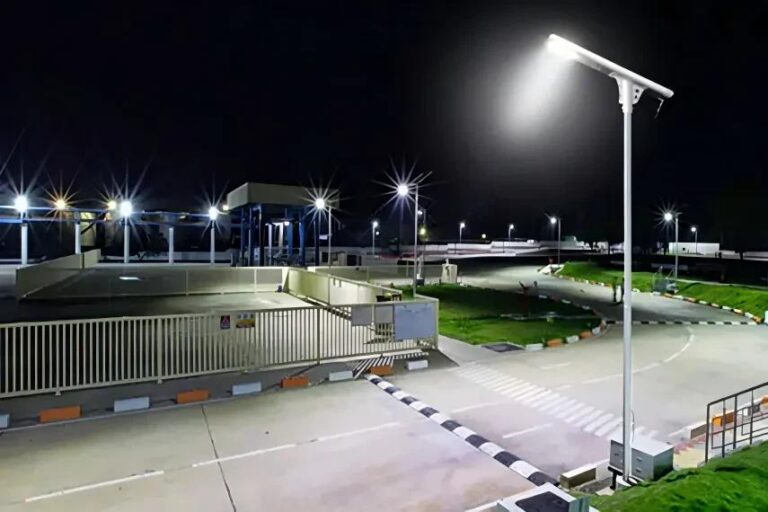
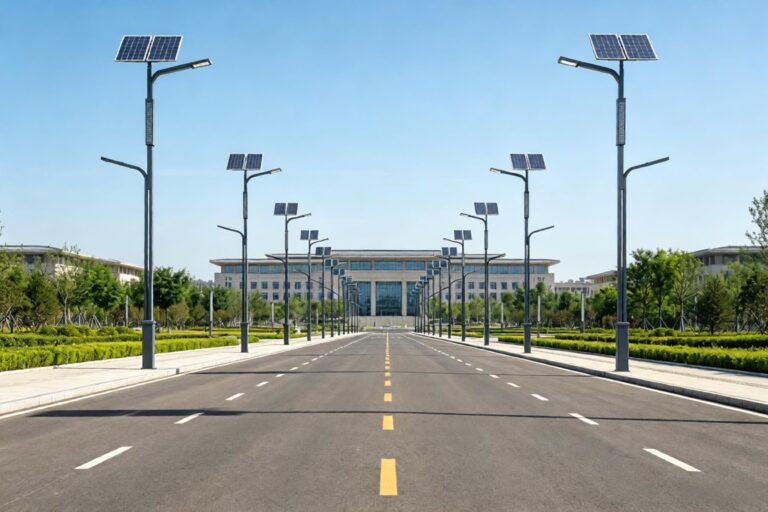
Solar street light for parking lot
Date: August 14, 2026
Complete site assessment aligned with parking lot operational safety codes
Start with a full on-site walkthrough that strictly follows local municipal parking facility safety standards and public area lighting regulations. Map out every key zone including vehicle entry and exit ramps, pedestrian crosswalks, disabled parking spots, loading and unloading bays, perimeter fence lines and adjacent sidewalk connections. Document existing obstacles such as overhanging tree canopies, overhead utility lines, low-hanging awnings and underground utility pipelines that will impact installation positions and lighting performance. Note typical usage patterns including peak arrival and departure hours, overnight parking occupancy rates, and regular maintenance vehicle access routes. This detailed, code-aligned survey ensures all later planning steps match the real daily operational needs of the parking lot, and avoids hidden safety risks for both drivers and pedestrians.
Design lighting layout to meet parking lot visibility and anti-glare requirements
Structure the lighting placement to deliver even, consistent illumination across every corner of the parking area, eliminating dark spots that hide tripping hazards, vehicle collision risks or blind spots near parked cars. Adjust mounting height and light projection angles to minimize harsh glare that could distract drivers moving through narrow aisles, while ensuring clear visibility for license plate recognition, pedestrian movement and security patrol checks. Pay extra attention to high-priority zones: entry and exit gates need enhanced lighting to help drivers adjust their vision when moving between bright outdoor areas and the parking space, and disabled access routes must meet the minimum brightness standards set in local accessibility guidelines. Cross-reference all layout plans with local public safety audit requirements to confirm the design passes official compliance checks for commercial and residential parking facilities.
Execute installation following parking lot work zone safety protocols
Carry out all construction work in full compliance with local temporary traffic control rules for parking lot maintenance. Mark off clearly defined work zones with standardized warning signs, safety barriers and visible reflective markers to protect construction crews, passing drivers and walking visitors at all times. Complete foundation anchoring, mounting setup and wiring work following certified outdoor electrical safety standards, with extra corrosion protection for installations in areas exposed to frequent road salt, rain or coastal humidity. After installation, conduct full performance tests including illumination uniformity checks, stability load testing and function verification across different operating modes. Keep detailed construction records including inspection photos and compliance documents for facility management teams to use for long-term asset filing and future safety audits.
Set up regular maintenance routine for long-term reliable operation
Establish a recurring, low-disruption maintenance schedule that fits the parking lot’s daily usage rhythm. Schedule routine inspections during off-peak hours to avoid blocking heavy vehicle traffic, with checks for mounting stability, light output consistency and energy collection surface condition every 2 to 4 months. Clear away accumulated dust, fallen leaves, bird droppings and snow from energy collection surfaces in a timely manner to keep energy harvesting efficiency stable across all seasons. Maintain a detailed maintenance log that records every inspection date, minor issue identified and repair action completed, so facility managers can spot gradual performance drops early before they develop into full system failures. This structured, proactive maintenance framework extends the system’s service life and keeps the parking lot a safe, well-lit space for all users year round.
Recommended articles

Solar street light for botanical garden
September 2, 2026
Solar street light for rural road
August 13, 2026