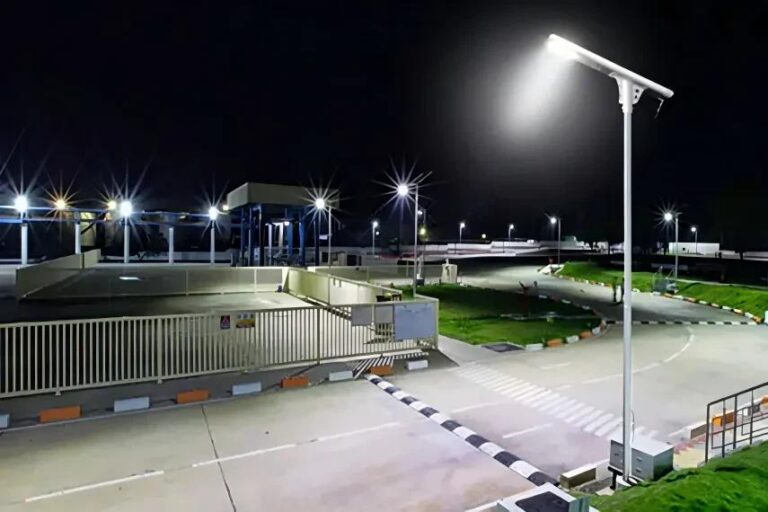
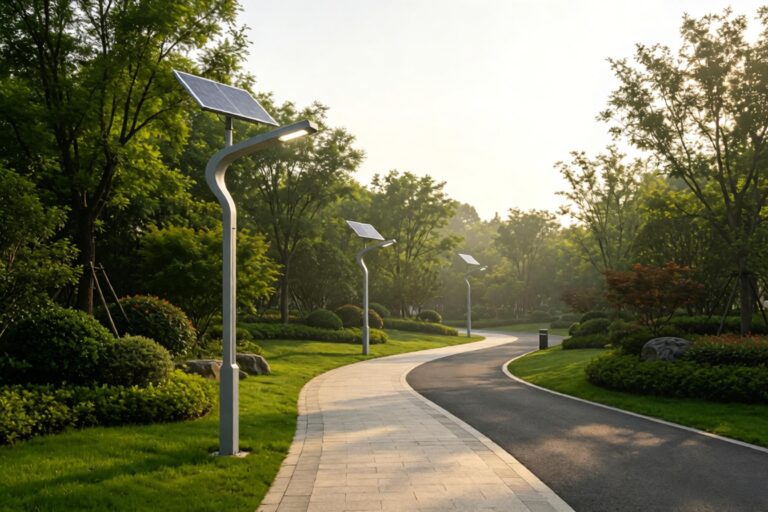
Solar street light for rural road
Date: August 13, 2026
When it comes to lighting up narrow, winding rural roads after dark, many communities are turning to reliable, low-maintenance outdoor lighting solutions that fit their unique needs. These areas often face challenges that urban neighborhoods do not, from limited access to the main power grid to long stretches of unmarked pathways that see both pedestrian and farm vehicle traffic after sunset. A well-lit rural road does more than just help people see where they are going — it creates a safer space for children walking home from school, farmers moving livestock after a long day in the fields, and local residents returning from nearby towns in the evening.
Key benefits for rural road environments
Rural locations often have wide open skies with very little light pollution, which means there is consistent access to bright, unobstructed sunlight throughout most of the day. This natural resource can be harnessed to power lighting systems that operate independently of traditional electrical lines, removing the need for costly underground wiring that is difficult to install across long, uneven stretches of farmland and countryside. These systems can store energy collected during daylight hours to keep roads illuminated through the night, even during stretches of cloudy or rainy weather that are common in many seasonal climates. They also require far fewer routine checks and repairs compared to traditional grid-tied lights, which is a major advantage for small local maintenance teams that cover dozens of miles of scattered roadways.
Safety improvements for all road users
Dark rural roads are often shared by a mix of travelers: slow-moving agricultural machinery, delivery trucks, cyclists heading to nearby villages, and elderly residents taking evening walks. Properly placed lighting helps reduce the risk of collisions by making potholes, sharp bends, stray farm animals, and unmarked driveways visible long before a driver reaches them. It also makes it easier for emergency services to locate specific addresses and access remote properties quickly, which can make a critical difference during late-night medical calls or weather-related incidents. For communities that host small local events, evening markets, or seasonal harvest gatherings, well-lit roads encourage more people to participate without worrying about navigating their way home in complete darkness.
Installation and long-term practicality
Setting up lighting along rural roads does not need to disrupt daily farm operations or require heavy construction equipment to travel across delicate fields. Most systems can be mounted on sturdy, weather-resistant poles that are anchored firmly into the ground with minimal digging, so installation teams can cover long stretches of road in a short period of time without leaving large, disruptive trenches behind. Once in place, these systems are designed to withstand harsh rural conditions, from strong seasonal winds and heavy snowfall to extreme summer heat and the occasional bump from passing farm equipment. Many models come with automatic sensors that adjust brightness levels based on the time of night and the amount of nearby activity, so they use stored energy efficiently and stay operational even during the shortest winter days.
Many local governments and community groups have found that adding proper road lighting helps strengthen neighborhood connections, as residents feel more comfortable stepping outside after dark to greet neighbors, walk their dogs, or check on nearby family members. Over time, these small improvements to visibility and safety can help reduce isolation in remote rural areas, making daily life feel more connected and secure for everyone who travels those roads, day after day and year after year.
Recommended articles

Solar street light for botanical garden
September 2, 2026
Solar street light for parking lot
August 14, 2026